If you're on the hunt for a suit that packs a punch in style and presence, you've landed in the right spot. Double-breasted suits have that classic vibe, the kind that turns heads without trying too hard. Picture yourself walking into a meeting or a wedding, feeling put-together and ready for anything.
Looking to refine the look even further? Explore our curated selection of double-breasted blazers for versatile pieces that elevate both formal and smart-casual outfits. And if you're dressing for a black-tie event, discover what makes the best double-breasted tuxedo for men a true statement of sophistication. From sharp tailoring to premium fabrics, each design is crafted to deliver confidence, structure, and timeless elegance.
Discover the best men’s double-breasted suits with Zed By
What is a Double-Breasted Suit?
At its core, a double-breasted suit features a jacket with overlapping front panels and two parallel rows of buttons. Most often, you'll see setups like 6x2, where six buttons show but only two fasten. This design creates a structured, V-shaped silhouette that flatters many body types. The pants usually match, coming in straight or pleated styles for comfort.
These suits stand out from single-breasted ones because of that extra fabric overlap, which adds warmth and a formal edge. Think of it as armor for the modern man, polished yet practical. They're perfect for business events, evenings out, or even casual Fridays when paired right.
For a more refined formal look, a double-breasted suit pairs exceptionally well with elegant accessories and eveningwear pieces. Add texture with a knit bow tie, or enhance black-tie attire with one of the sophisticated bib shirts. For prestigious events, explore stylish gala costumes and finish your ensemble with decorative flower buttonholes and brooches. If you're looking to make a bold statement, a white men's suit offers a modern and distinguished alternative to traditional tailoring.
The History Behind Double-Breasted Suits
Double-breasted suits trace their roots back to the late 1800s, starting as casual wear inspired by British naval jackets known as reefers. Sailors needed something sturdy for rough seas, so the overlapping fronts provided better protection against wind and cold. By the 1920s and 1930s, they hit peak popularity among stylish folks, thanks to figures who made them icons of elegance.
Fast forward to the 1980s, and they saw a big comeback in power dressing circles. Today, in 2026, they're enjoying another surge, blending heritage with fresh designs. According to a detailed entry on Wikipedia, this style evolved from military uniforms into everyday fashion, proving its staying power over centuries. It's fascinating how something born from necessity became a symbol of sophistication.
Why Choose a Double-Breasted Suit in 2026?
Bouble-breasted suits offer timeless appeal. Recent trends show they're back in a big way, with balanced shapes and bold details leading the charge. A report from McKinsey's State of Fashion 2026 highlights how menswear is shifting toward pieces that mix comfort and luxury, and these suits fit that bill perfectly.
Stats back this up, too. The global men's suits market hit $13.5 billion in 2024 and is set to reach $16.8 billion by 2030, growing at a 3.8% compound annual rate, per Research and Markets. That's a clear sign more guys are investing in quality suits. Double-breasted options make up a growing slice, especially as workwear gets more versatile post-pandemic.
What sets them apart now? They project confidence without overdoing it. If you're taller or have broad shoulders, the structured lines enhance your frame. Shorter guys can opt for slimmer cuts to avoid bulk. It's all about that poised look that says you mean business. Plus, with sustainability in mind, choosing durable wool or blends means fewer replacements over time.
For external insights, a piece from Forbes on 2026 menswear trends notes the rise of heritage craftsmanship, where double-breasted jackets shine for their detailed tailoring. Another from GQ staff predictions echoes this, pointing to their role in making everyday outfits feel elevated.
Key Features to Look For
When shopping, focus on details that ensure your suit lasts and looks great. Start with the lapels, peak styles add drama, while shawl ones soften things for evenings.
Fabric Choices
Fabric matters a ton for comfort and season. Wool remains king for its breathability and wrinkle resistance. In 2026, tropical wool blends are hot for warmer climates, light and airy yet structured. Cotton mixes work well for casual vibes, but stick to high-thread counts for sharpness.
Linen suits bring a relaxed feel, ideal for summer events, though they crease more. For data-driven picks, recent surveys from Cognitive Market Research show wool dominating 60% of the men's suits market in 2025, thanks to its versatility. Go for merino if you want softness that feels like a second skin.
At Zedby, options like the grey anthracite checked wool suit stand out for their quality at affordable prices. Check out our men's suits collection for fabrics that suit any occasion.
Fit and Sizing
Fit is everything. A good double-breasted suit should skim your body, not hug too tight or sag. Measure your chest, shoulders, and waist accurately. Sizes start from XS (36 jacket, 30 trousers) and go up, ensuring inclusivity.
Pro tip: Always button the bottom outer button when standing, leave it open when sitting. This keeps the lines clean. If you're new to tailoring, our bestsellers page has fitted examples that customers rave about, with over 2,133 reviews praising the spot-on sizing.
Styling Your Double-Breasted Suit
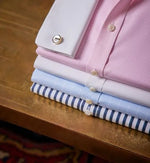
Styling these suits is fun and flexible. For work, pair with a crisp white shirt and tie. Add men's shirts from our collection for that perfect match.
Go casual by swapping the tie for an open collar and loafers. Colors like navy or grey work year-round, while beige suits lighter moods. Accessories seal the deal, think pocket squares or subtle watches.
Here's a quick list of styling tips:
- Match with slim pants for a modern edge.
- Layer a vest underneath for extra formality.
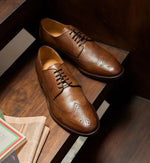
- Choose black or brown suit shoes based on the suit's tone.
- Experiment with patterns like checks for personality.
Remember, confidence wears the suit, not the other way around. For evenings, a satin lapel version elevates things, like our navy dinner jacket.
Care and Maintenance
Keep your suit looking fresh with simple steps. Dry clean only when needed, maybe twice a year, to preserve fabric. Hang on sturdy wooden hangers to maintain shape.
Brush off lint after each wear, and steam wrinkles away. Store in a breathable garment bag. A little care goes a long way, turning your suit into a lifelong companion.
For tough spots, spot clean gently. Following these habits, based on timeless advice from fashion experts, ensures longevity.
Benefits of Double-Breasted Suits for Different Body Types
Double-breasted suits deliver a structured, flattering silhouette thanks to their overlapping front panels and V-shaped lines that visually elongate the torso. In 2026, this style is experiencing renewed popularity among men seeking to enhance their presence and confidence. The global men's suits market is valued at approximately USD 19.52 billion in 2026 and is projected to reach USD 27.86 billion by 2035, growing at a CAGR of 4.1%.
For taller men or those with broad shoulders, peak lapels and the button overlap create balanced proportions. Athletic builds benefit from a slimming effect, while slimmer figures can choose modern tailored cuts to prevent any bulky appearance. Around 52% of consumers prioritize comfort-oriented fabrics in suits, according to recent market analyses.
These suits project authority and elegance, making them ideal for professional settings where image matters. Their versatility also allows seamless transitions to smart-casual looks, such as pairing with straight trousers and an open-collar shirt. Reports like McKinsey's State of Fashion highlight the shift toward timeless pieces that combine comfort and luxury.
Sustainable Materials in Double-Breasted Suits for 2026
Sustainability has become a key factor in choosing double-breasted suits. In 2026, consumers favor merino wool, recycled blends, and traceable fabrics that minimize environmental impact while maintaining premium quality. Wool continues to dominate the premium segment, representing a significant share, around 66% in high-end categories, according to industry data from sources like the U.S. Bureau of Labor Statistics insights.
Brands are increasingly adopting regenerative wool and recycled fibers to meet demand for responsible production. The broader menswear market is expected to grow steadily, reaching substantial global values. A high-quality double-breasted wool suit can last for years with proper care, delivering excellent value and reducing replacement frequency.
This sustainable approach not only lowers the environmental footprint but also enhances the wearer's image of modern sophistication. Reliable sources such as Mordor Intelligence confirm the rising focus on durable, eco-conscious materials in menswear.
Double-Breasted vs Single-Breasted Suits in 2026
Double-breasted suits stand out with their double row of buttons and front overlap, creating a more formal and structured silhouette compared to single-breasted styles. While single-breasted options offer everyday versatility, double-breasted ones excel in situations requiring presence and traditional elegance with a contemporary twist. In 2026, trends favor relaxed yet structured tailoring, with double-breasted designs gaining traction in premium segments.
Single-breasted suits still lead in volume sales due to simplicity, but double-breasted models are growing in the higher-end market amid overall suit growth of around 4.1% CAGR. Double-breasted styles provide extra warmth and better wind protection while enhancing the V-taper for many body types. They shine at formal events, whereas single-breasted suits suit daily wear. This contrast helps men build a balanced wardrobe tailored to specific needs for image and comfort.
Ideal Occasions to Wear a Double-Breasted Suit in 2026
Double-breasted suits are perfect for events demanding elegance and strong presence, including weddings, galas, high-level meetings, and formal dinners. In 2026, as professional dress codes evolve post-pandemic, they represent an excellent choice for sophisticated looks. The market for special-occasion formalwear benefits from the resurgence of social events. Trends like jewel tones and structured cuts dominate wedding and evening collections.
In corporate environments, anthracite or navy models with peak lapels reinforce authority. For black-tie events, they serve as powerful alternatives to traditional tuxedos. Approximately 46% of buyers seek versatile pieces adaptable to multiple contexts. Their construction adds effortless charisma, especially in autumn and winter with heavier fabrics. Whether for an evening wedding or international conference, a double-breasted suit instantly elevates the outfit while remaining comfortable thanks to modern cuts and technical fabrics.
Future Trends for Double-Breasted Suits Beyond 2026
Beyond 2026, double-breasted suits will evolve into more hybrid, relaxed styles that blend heritage elements with technological innovations like smart fabrics and 3D customization. The menswear market is projected to continue expanding significantly, with strong growth driven by sustainability and personalization. Influences from past decades, such as softer shoulders and fluid cuts, will combine with modern details like contrast buttons or textured mixes.
Demand for timeless yet adaptable garments will rise among generations valuing quality and versatility. A growing percentage of men are willing to invest more in durable, high-quality clothing. This positions double-breasted suits as wardrobe staples that merge tradition and innovation to suit hybrid lifestyles. Analyses from firms like McKinsey underscore the move toward conscious, resilient fashion in the coming years.
Popular Colors and Patterns for Double-Breasted Suits in 2026
In 2026, double-breasted suits embrace a refined palette that blends heritage sophistication with modern versatility. Earthy neutrals like chocolate brown, camel, olive, and warm grey lead trends, offering depth and wearability across seasons, while jewel tones such as burgundy, forest green, and deep navy provide bolder statements for formal occasions. These colors move beyond traditional charcoal and navy, reflecting a broader shift toward nature-inspired hues that enhance presence without overpowering.
Patterns play a key supporting role, with subtle checks, micro-patterns, and textured fabrics like tweed or flannel adding dimension. Peak lapels in these designs amplify the V-shaped silhouette, creating a structured yet approachable look. Market insights indicate sustained demand for versatile formalwear, with the global men's suits market projected to grow steadily (e.g., from around $13.5 billion in 2024 toward $16.8 billion by 2030 at a 3.8% CAGR). This evolution supports double-breasted styles as wardrobe investments that adapt to professional, wedding, and evening settings alike. Opting for high-quality wool or blends ensures breathability and longevity, aligning with consumer preferences for durable, timeless pieces in a market emphasizing both comfort and craftsmanship.
How Double-Breasted Suits Enhance Professional Presence?
Double-breasted suits convey authority and polish through their overlapping panels and structured lines, making them a strategic choice for leadership roles and high-stakes environments in 2026. The design elongates the torso and broadens the shoulders visually, projecting confidence that resonates in corporate settings. With return-to-office trends and evolving dress codes, these suits bridge traditional elegance and contemporary relaxed tailoring.
Industry data underscores the value of quality formalwear: surveys show a notable portion of men own multiple suits, with many prioritizing fit and image for professional advancement. The broader menswear sector continues to expand, driven by demand for versatile garments that support hybrid work lifestyles. Double-breasted options stand out for their ability to elevate everyday outfits while offering extra warmth and wind resistance, practical benefits rooted in their naval heritage. Sources like McKinsey reports on fashion trends highlight the move toward pieces that combine structure with comfort, positioning double-breasted suits as tools for building a strong personal brand in competitive professional landscapes.
Double-Breasted Suits for Weddings and Special Events in 2026
Double-breasted suits have surged in popularity for weddings and formal celebrations in 2026, favored for their distinctive silhouette and photographic appeal. Modern interpretations feature softer shoulders, lower button stances, and elegant peak lapels, allowing grooms and guests to stand out while remaining comfortable throughout long events. Earth tones and jewel colors dominate, with navy and burgundy proving particularly versatile for various venues and seasons.
This trend aligns with the resurgence of social gatherings, contributing to growth in special-occasion formalwear within the expanding men's suits market. Data from trend forecasts show double-breasted styles gaining traction as statement pieces that blend heritage with fresh details, such as textured fabrics or subtle patterns. Their structured design flatters diverse body types, providing a balanced, authoritative look ideal for ceremonies. Reliable analyses confirm the emphasis on timeless yet adaptable garments, making double-breasted suits excellent investments for memorable occasions that demand both sophistication and personal expression.
The Advantages of Custom Tailoring for Double-Breasted Suits
Custom tailoring elevates double-breasted suits by ensuring precise fit, proportion, and personalization that ready-to-wear options often cannot match. In 2026, with growing interest in made-to-measure and bespoke services, around 30-40% of men in various markets report experience with custom suits, drawn to better silhouettes and fabric choices that enhance comfort and durability.
This approach allows adjustments for button configurations (e.g., 6x2), lapel styles, and body-specific measurements, optimizing the flattering V-shape and overlap. High-quality materials like merino wool or sustainable blends further improve performance. Market projections support investment in tailored pieces amid overall sector growth, as consumers seek longevity and value. Expert tailoring preserves the jacket's structure over years of wear, reducing the need for frequent replacements. Fluid integration of details like functional buttonholes or custom linings results in garments that feel bespoke to the wearer, reinforcing confidence for both daily professional use and special events.
Button stance, lapel roll and the geometry of a crossed front
The architecture of a double-breasted jacket is a question of closure, not decoration. A six-button front with two working buttons, commonly noted as 6x2, sets the fastening near the natural waist so the peak lapel can roll in a long line toward the shoulder. A four-button, one-to-fasten cut sits a little higher and reads quieter on a compact torso. Only the working button is closed: the lower button on a 6x2, or the single fastening button on a 4x1. The buttons above stay open so the lapel break remains clean. Peak lapels flare outward above that break and widen the shoulder; shawl lapels, cut as one continuous curve, are reserved for dinner jackets. Because the fronts overlap, the jacket is meant to be worn fastened when standing. Left open, the extra panel hangs away from the chest and the intended V disappears.
Cloth that holds a crease along the lapel roll, rather than collapsing after a few hours, is what keeps that line intact beside a double-breasted blazer cut on the same principle. A soft shoulder can work, but the lapel still needs enough body to spring back after the jacket is unbuttoned for sitting. The overlap also adds a second layer across the chest, which is why balance at the waist matters more here than on a single-breasted front: too much room and the panels gape, too little and the button pulls. In 2026, when buyers are paying closer attention to construction rather than novelty, that geometry is the detail that separates a jacket that holds its shape from one that looks borrowed by mid-afternoon.
Cloth weight, Super numbers and all-season performance
Weight and fibre decide whether a crossed jacket feels composed or heavy. Suiting is usually discussed in grams per square metre: a tropical wool around 220 to 250 g/m² breathes in warm rooms, while a 280 to 320 g/m² cloth holds a sharper crease from autumn into spring. The Super number describes fibre fineness, not quality on its own. A higher Super uses a finer yarn and a smoother hand; a mid-range Super in a firmly woven worsted often wears longer, because the yarn is less delicate. Merino remains the reference fibre for this reason. Research published by The Woolmark Company, drawing on a four-year programme led by North Carolina State University, found that Merino absorbs up to one third of its weight in moisture vapour without feeling wet, with moisture buffering 96 percent better than polyester and 45 percent better than cotton.
The same fibre is more than three times finer than the average human hair, which is why a well-woven wool can feel cool in summer and still recover from creases after a commute. That performance is the practical argument for wool in a complete guide to formal menswear, especially when the jacket will be fastened for most of the day. A fused front can look sharp at first, but a canvassed chest keeps the overlap from rippling once the cloth has taken on humidity. For 2026 wardrobes built around fewer, better pieces, one mid-weight wool in navy or charcoal still covers more of the year than two seasonal substitutes.
Structured dressing and the 2026 return to the office
Formal cloth is back in circulation because offices and calendars have filled up again, not because dress codes have returned to a single rule. McKinsey’s State of Fashion 2026 expects the global fashion industry to post low single-digit growth, with shoppers more cautious about price and more attentive to quality. In Europe, the same outlook noted that over 60 percent of consumers were planning to trade down. That caution favours a jacket that can be worn across meetings, dinners and travel rather than a piece bought for one event. The demand is already visible in reported retail figures. The Scotsman recorded, in September 2025, that own-brand suit sales at one major British retailer were up 68 percent year on year, with formal outerwear up 584 percent and men’s personal-styling appointments up 23 percent.
Another retailer had sold 37,500 suits in a single month and reported an 18 percent rise in suit sales over two years. A double-breasted cut sits naturally inside that shift: the overlap reads more deliberate than a soft overshirt, yet it works with a plain shirt for a working day. The same logic applies when planning what to wear to a professional event. Navy and charcoal remain the safest grounds; a mid-grey check is enough pattern for client-facing days. Fastened, the jacket frames the shirt without needing a loud tie. Unfastened only when seated, it keeps the line the cut was built for.
Evening proportion: peak lapel, shawl and black tie
After dark, the same overlap changes register. Peak lapels on a dinner jacket are cut wider and faced in silk or satin so the light catches the edge rather than the cloth. A shawl lapel softens that line into a single curve and is the more traditional evening shape, particularly on a midnight or black ground. The fastening stays the same as in daywear: one working button, closed while standing, so the satin does not break into two uneven panels. Trousers for black tie are usually cut without belt loops, with a braid or a clean side seam, and they sit higher than casual separates. That distinction is worth making before a gala, because a day suit in black cloth is not the same garment as a dinner jacket.
Couples are still treating attire as a planned part of the event rather than an afterthought. The Knot’s 2025 Real Weddings Study, based on nearly 17,000 couples who married in the United States in 2024, found that 84 percent prioritised the groom’s attire among vendor categories, with an average guest list of 116 and an average marrying age of 32. In a room of that size, a peaked or shawl front is readable from a distance in a way a notch lapel is not. A double-breasted dinner jacket in plain black or midnight cloth, worn with a white marcella shirt, keeps the contrast where evening dress expects it: at the lapel, the cuff and the shirt front, not in the colour of the suit itself.
Pattern scale, stripe alignment and checked cloth
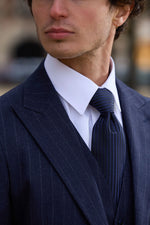
A crossed front is less forgiving of a careless pattern than a single-breasted jacket, because the overlap creates a second vertical edge that the eye compares with the first. Pinstripes should meet cleanly at the fastening and continue through the lapel without a sudden shift in angle. On a glen check or a Prince of Wales, the repeat needs to be small enough that the chest does not carry one oversized square. Windowpane checks work when the line is fine and the ground is mid-grey or navy; a large, high-contrast check fights the lapel and shortens the torso. Stripe scale follows the same rule. A chalk stripe of a few millimetres lengthens the figure. A wide banner stripe belongs on a taller frame and on cloth with enough weight to hold the line, such as a flannel or a tweed worn outside the office.
The wider market still has room for this kind of cloth. A Market Glass estimate published by MarketResearch.com put the global men’s suits market at 13.5 billion US dollars in 2024, with a projection of 16.8 billion by 2030, a compound annual growth rate of 3.8 percent. Ready-to-wear was expected to grow faster, at 4.7 percent, and reach 11.0 billion by the end of that period. Within that steady demand, patterned cloth is a way to vary a small wardrobe without leaving the codes of tailoring, including a tweed suit reserved for colder months. The test is simple: if the pattern is still readable at two metres and the stripes agree at the button, the cloth is the right scale for the cut.
Seasonal Adaptations and Fabric Choices for Double-Breasted Suits
Double-breasted suits adapt effectively across seasons in 2026 through thoughtful fabric selections that balance structure, comfort, and climate suitability. Tropical wool blends and lighter weights excel in warmer months for breathability, while heavier flannels and tweeds provide insulation for autumn and winter. Wool continues to dominate premium segments due to its versatility, wrinkle resistance, and natural properties, aligning with sustainability priorities.
Consumers increasingly favor durable, eco-conscious materials, supporting market expansion where quality formalwear grows at steady CAGRs. For transitional weather, blends incorporating stretch or recycled fibers enhance mobility without sacrificing the signature tailored lines. This adaptability makes double-breasted suits practical year-round choices, from summer weddings in linen-infused options to winter galas in rich wools. Insights from industry reports emphasize the demand for performance-driven fabrics that maintain elegance, ensuring these suits deliver both style and functionality across diverse conditions and lifestyles.